1. Look beyond what shows
Germs travel past the visible stain. The crew checks under furniture, along baseboards and in the subfloor to learn where decontamination must reach.
Battle Creek / Conway / Eastview / Highwood Hills, St. Paul, MN · Ramsey County
Was a Battle Creek / Conway / Eastview / Highwood Hills room, vehicle or workplace exposed to blood, sewage or an infectious illness? Call (877) 812-4220. Cleanup crews remove contaminated items, scrub surfaces and apply the right disinfectant.
If anyone is in danger, call 911 first. For a suicide crisis, call or text 988.
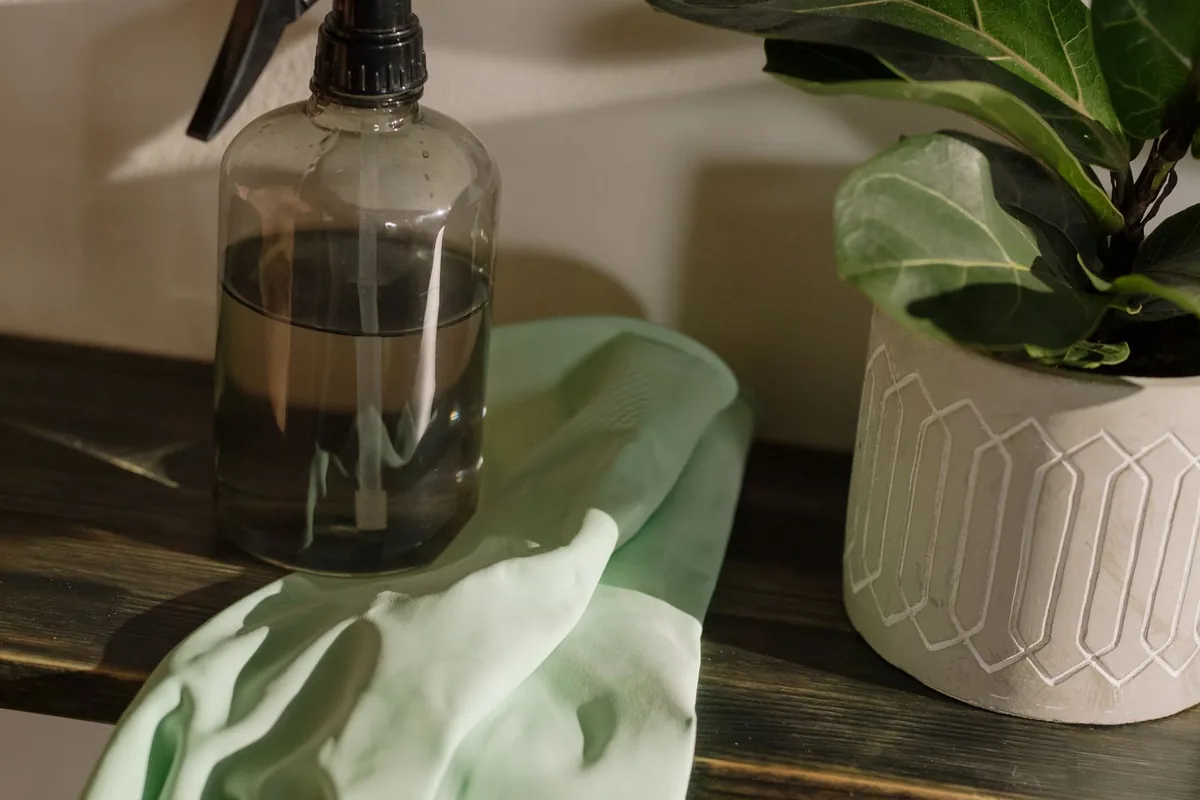
Decontamination is the step after removal that deals with what the eye cannot see. Crews use detergent, EPA-registered disinfectants and the full contact time listed on the label to reduce germs on every affected surface.
Families, landlords, property managers and business owners in Battle Creek / Conway / Eastview / Highwood Hills, St. Paul, MN can get biohazard remediation with help from Battle Creek / Conway / Eastview / Highwood Hills Biohazard Cleanup Help. You get crews that clean, disinfect and deodorize, then haul waste by the rules.
With about 47% of St. Paul households renting, property managers frequently need a unit disinfected and documented before move-in. Older housing is common in St. Paul, around 78% built before 1980, and porous materials there often need removal, not just disinfection.
A typical biohazard decontamination job includes:
Germs travel past the visible stain. The crew checks under furniture, along baseboards and in the subfloor to learn where decontamination must reach.
The team arrives in an unmarked vehicle, suits up at the door and isolates the area. Neighbors have no reason to notice.
Porous materials that cannot be cleaned are removed. All other surfaces are scrubbed and then disinfected in layers.
A disinfectant matched to the germs stays wet for its labeled contact time. The team treats odor, inspects each surface and explains the result.
Most biohazard decontamination jobs in Battle Creek / Conway / Eastview / Highwood Hills, St. Paul, MN cost between $1,000 and $15,000, based on published cost guides.
Porous materials drive the total. Carpet, padding, mattresses and upholstery that germs soaked into usually must be removed and replaced, and each item adds labor and disposal fees.
| Type of job | Typical range |
|---|---|
| Residential average range | $1,800 - $4,500 |
| Biohazard cleanup, published span | $1,000 - $15,000 |
| Typical national range | $3,000 - $5,000 |
Estimates only, not a quote. Sources: Fixr, Yelp Costs, Biohazard cleanup company pricing guide. Price drivers include type of contamination, size of the space, surfaces affected, waste disposal. Call (877) 812-4220 to talk through the job.
Try the Battle Creek / Conway / Eastview / Highwood Hills Biohazard Cleanup Cost Calculator →
Common ones include blood, vomit, feces, sewage, mold, pest droppings and dead animals. Illness spread by sick residents can also leave germs on surfaces. Some of these need professional biohazard specialists.
It does when the source is removed. Smells from sewage, fluids or decay live in porous materials and subfloors, so crews take those out and treat the air. Air fresheners cover a smell for only a short time.
Ask what training the crew has, how it deals with waste, whether it works with insurers and what records you get. Request references and a clear description of the steps. Then decide whether the company fits your needs.
A biological hazard is any living organism or material from one that can harm health. Examples are bacteria, viruses, mold, blood, bodily fluids, sewage and animal waste. Chemicals and radiation are a different type of hazard.
Disinfectant does not work well on dirty surfaces, because residue can shield germs from the product. Crews remove visible material, clean every surface with detergent and then apply disinfectant for the contact time on its label. Skipping the cleaning step is a common reason a job fails.
Keep people and pets out of the affected area. Do not wipe, vacuum or scrub anything. Take photos from a safe distance for your insurer, and call 911 first if anyone is in danger.
Ask what the decontamination covers before anyone enters your property.
Call (877) 812-4220